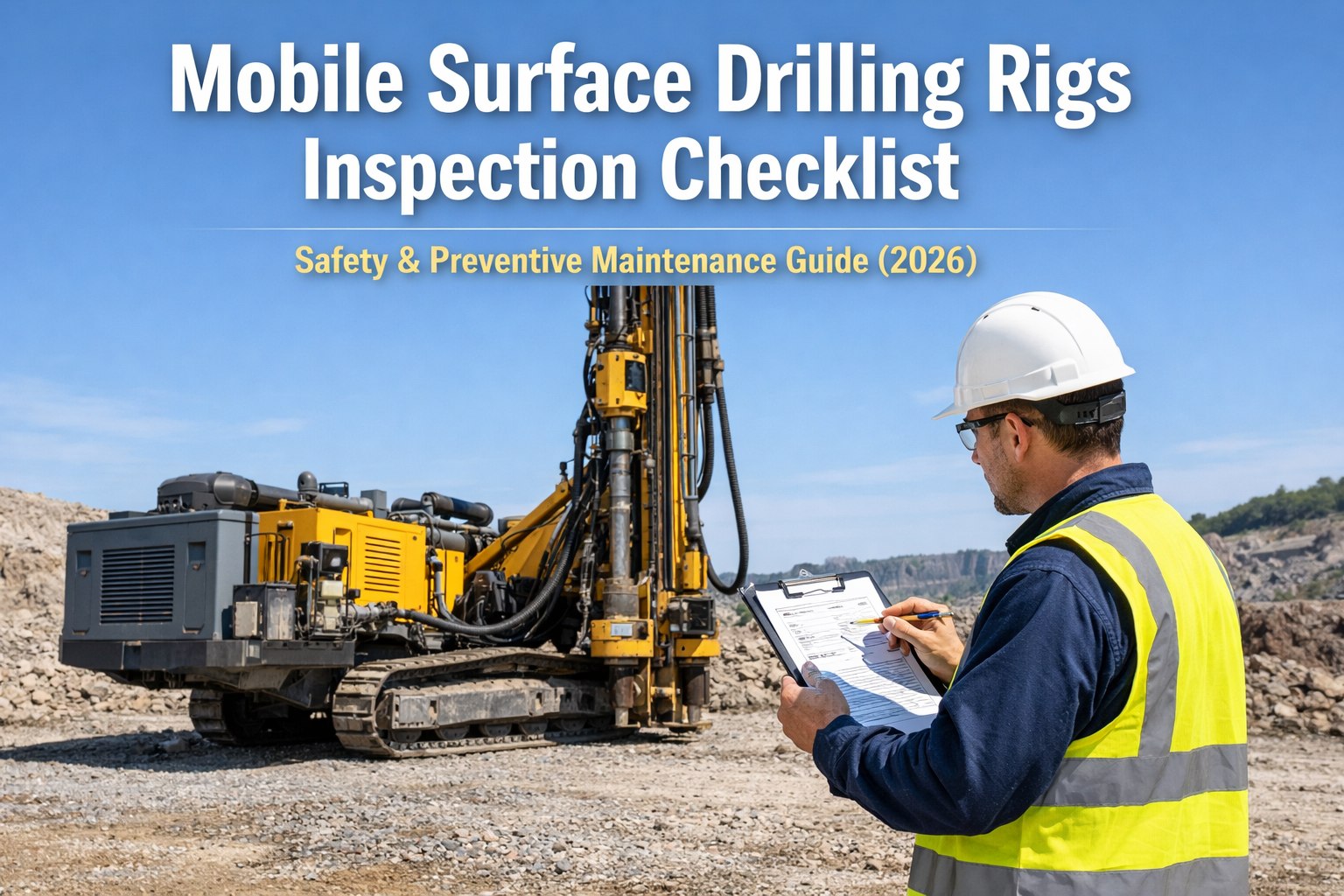
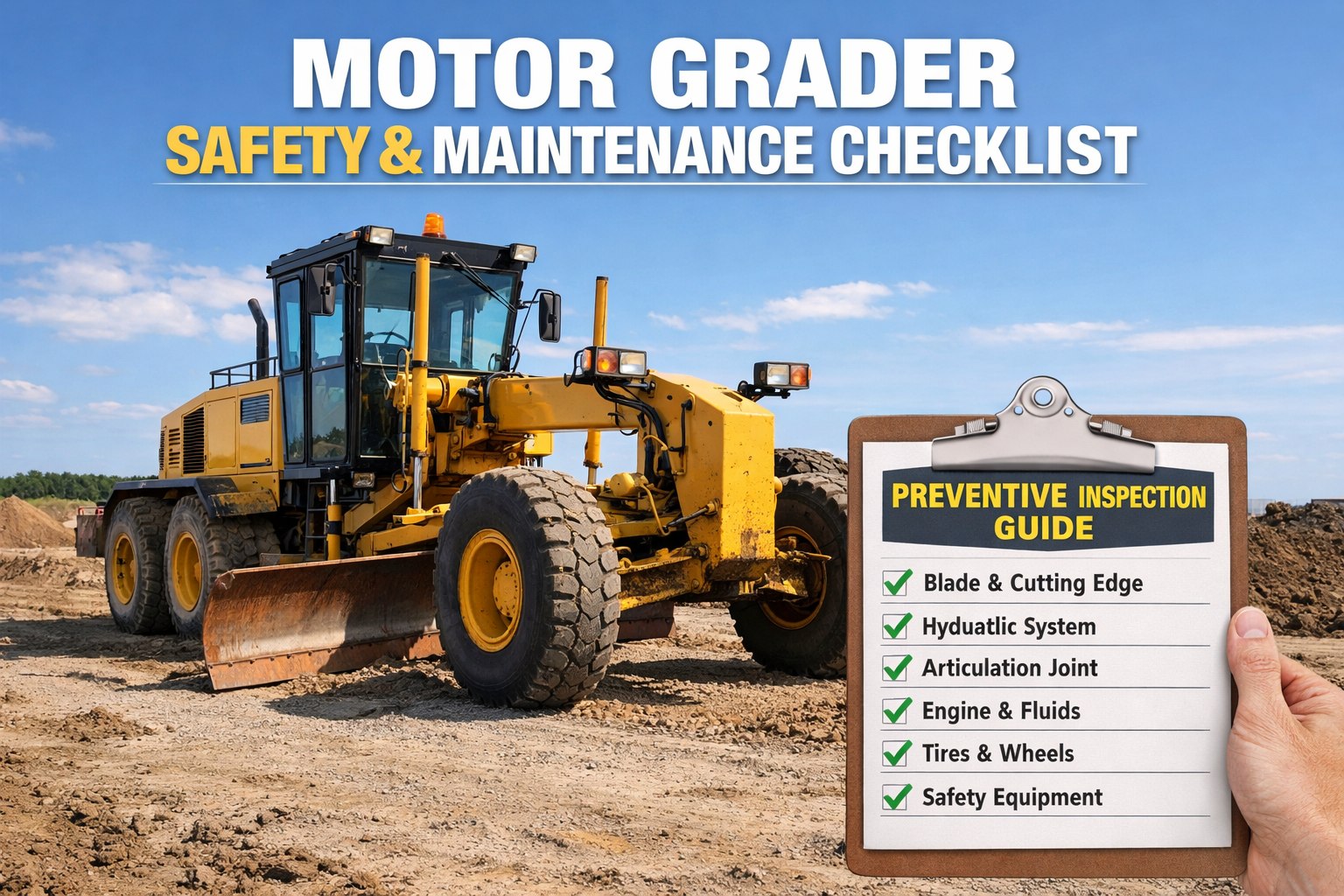
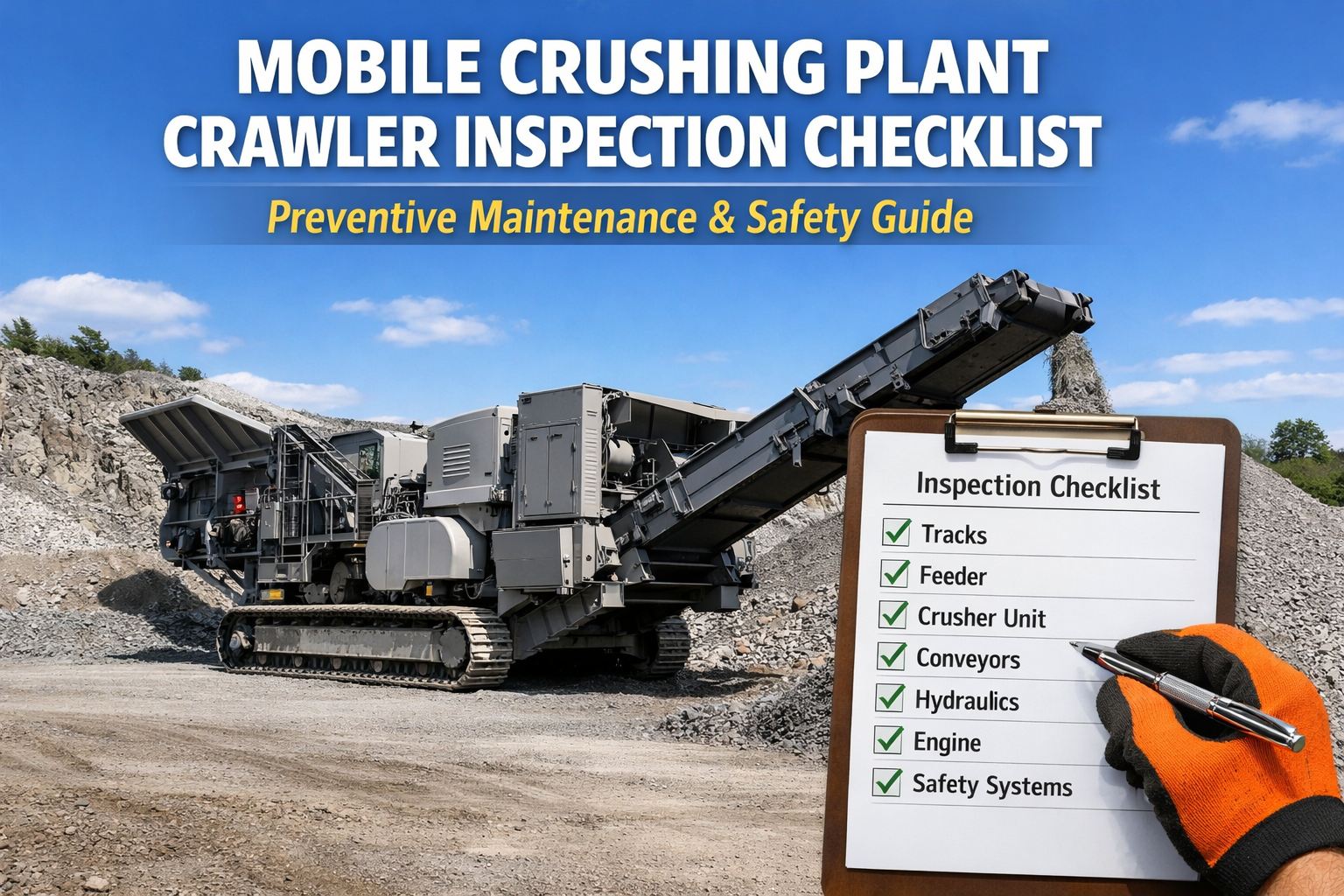
Pre-Operation Safety & Maintenance Inspection Checklist for Heavy Equipment

Ensuring machinery is safe and fully operational before beginning any task is essential for productivity and worker safety. A well-prepared Pre-Operation Safety & Maintenance Inspection Checklist not only prevents potential accidents but also increases equipment longevity and reduces costly repairs. This checklist covers critical steps, offering a comprehensive guide to performing a successful pre-operation inspection. Start your free pre-operation inspection trial
Pre-Operation Safety & Maintenance Inspection Checklist
Get our comprehensive Pre-Operation Safety & Maintenance Inspection Checklist to enhance equipment safety, reduce downtime, and improve operational efficiency
1. Visual Inspection
- Check for Visible Damage: Walk around the equipment and inspect for dents, cracks, or deformities in the body and structural frame.
- Inspect for Leaks: Examine areas under the equipment for fluid leaks (oil, coolant, and hydraulic fluid). Any dripping or pooling could indicate serious issues.
- Check Decals and Labels: Ensure all safety decals and information plates are intact and legible to maintain safe operating practices.
See How AI Automates Pre-Op Checks
Watch how fleet managers are moving away from paper checklists and using AI to automate their pre-operation safety inspections. This video demonstrates the HVI app in action, simplifying logging and ensuring compliance.
What you'll see in this demo:
- Real-world example of automated safety checks
- Benefits of paperless inspection logging
- How AI simplifies compliance and accuracy
- Maximizing efficiency with the HVI app
Understanding this technology helps you see the next step in optimizing your maintenance and safety protocols, moving beyond manual checklists.
Visual Inspection Breakdown
Complete walk-around inspection covering these critical areas:
Structural Damage
Fluid Leaks
Labels & Decals
2. Fluid Levels and Condition
- Engine Oil and Coolant: Confirm oil and coolant levels meet manufacturer specifications to prevent overheating or engine damage.
- Hydraulic Fluid: Verify hydraulic fluid levels in the reservoir and check for leaks.
- Fuel Level and Quality: Ensure fuel tank is adequately filled, and check for contamination if the equipment has been idle.
- Transmission Fluid: Check transmission fluid levels for optimal operation, and monitor for discoloration or abnormal consistency.
Fluid System Inspection Details
Check these critical fluid levels and conditions:
Engine Fluids
Hydraulic System
Fuel & Transmission
3. Tires and Tracks
- Check Tire Pressure: Ensure tires are inflated to recommended pressure. Underinflation reduces maneuverability, while overinflation increases blowout risk.
- Inspect for Wear and Damage: Look for cuts, gouges, or other signs of wear on tires or tracks and replace worn components.
- Ensure Secure Attachments: Confirm all wheels or tracks are securely attached to avoid detachment during operation.
4. Controls and Instrument Panel
- Test Steering and Brakes: Ensure the steering and brakes respond correctly for safe maneuverability.
- Verify Indicator Lights and Gauges: Test all gauges and indicator lights, including oil pressure, temperature, and battery levels.
- Inspect Emergency Controls: Familiarize yourself with emergency stop buttons and ensure they are functional.
5. Safety Devices and Equipment
- Inspect Seat Belts and Harnesses: Verify all seat belts are functional, without signs of fraying or damage.
- Check Mirrors and Backup Alarms: Adjust mirrors and ensure backup alarms are working to improve visibility and alert nearby personnel.
- Fire Extinguisher Check: Ensure a fire extinguisher is secured to the equipment and check its expiration date.
Safety Equipment Verification
Ensure all safety devices are present and functional:
Operator Protection
Warning Systems
Emergency Equipment
6. Attachment and Accessory Condition
- Inspect Attachments for Wear: Check for visible damage on attachments like buckets and forks, ensuring they are secure and aligned.
- Test Attachment Controls: Operate attachment controls for responsiveness. Watch for any unusual noises or delays.
- Attachment Pin Integrity: Confirm that all pins, locks, and fasteners on attachments are secure.
7. Lighting and Visibility
- Test Headlights and Indicators: Verify all lights are functional to ensure visibility in low-light conditions.
- Clean Windows and Mirrors: Clear away dirt and grime to maximize visibility for the operator.
- Check for Obstructions: Remove any objects that could obstruct the operator's view.
Controls & Operational Testing
Test these control systems before operation:
Control Panel
Steering & Brakes
Hydraulic Controls
8. Operator's Cabin or Control Station
- Clear Cabin of Loose Items: Remove any loose objects that could become hazardous if the machine stops abruptly.
- Inspect for Proper Seating Position: Adjust the seat for comfort, and access to controls to reduce operator fatigue.
- Review Operation Manual and Safety Procedures: Take time to review the manual and safety procedures.
9. Functional Testing and Warm-Up
- Start-Up Procedures: Start the equipment as per the manual and listen for abnormal noises or vibrations.
- Test Movement and Response: Test the machine's movements to ensure responsiveness in all directions.
- Observe for Any Warnings: Pay attention to dashboard warning lights or alerts during start-up.
Functional Testing Checklist
Perform these operational tests during warm-up:
Engine Start-Up
Movement Testing
System Monitoring
Final Tips for Effective Pre-Operation Inspections
- Document the Inspection: Keep records for maintenance tracking and compliance.
- Report Issues Immediately: Report issues to prevent further damage or risks.
- Train Staff Regularly: Ensure consistent training to maintain a safe and knowledgeable team.
Regular use of this Pre-Operation Safety & Maintenance Inspection Checklist helps reduce downtime, prevent accidents, and improve efficiency. Always consult your equipment's operator manual for model-specific details, and prioritize safety to extend equipment life and productivity. Book a demo to see inspection automation
Final Takeaway: Maximize Safety & Efficiency with HVI
Integrating Heavy Vehicle Inspection (HVI) software into your inspection process enhances every aspect of safety and maintenance. HVI connects with your fleet in real-time, receiving machinery hours and DTCs directly from the field, enabling proactive scheduling, autonomous work orders, and part management. With HVI, inspections and maintenance are performed precisely when needed, minimizing downtime and preventing costly breakdowns.
Take Action: Start Optimizing Your Inspections
Download our FREE Pre-Operation Safety & Maintenance Inspection Checklist and experience the power of HVI for a streamlined, safe, and efficient inspection process. Get your free checklist now and take the first step toward smarter fleet maintenance
Maximize Safety & Uptime with Pre-Operation Inspections
Integrate HVI to schedule inspections, manage work orders, and keep your machinery field-ready—every day.
Get 2 Months Free On Annual Plans – Unlock Your Savings Today!
Book A DemoJoin 1000+ fleet managers who have improved their inspection and maintenance process.
Signup NowGET MOBILE APP ON YOUR DEVICE TODAY